There is a unique rhythm to a life spent outdoors, something we often talk about here at Walk Bike Cupertino. Whether it’s cycling through our local neighborhoods or hiking the foothills, moving under our own power connects us to the world. Earlier this year, in March, my family and I took that spirit to one of the most majestic places on Earth: Yosemite National Park .
This trip was particularly special as it was a journey of redemption and renewal. My younger son had missed his 8th-grade Yosemite milestone due to the pandemic. Now a college student, he spent his spring break making up for lost time, joined by his grandparents and parents for a truly multi-generational experience.
March vs. Summer: What Changes?
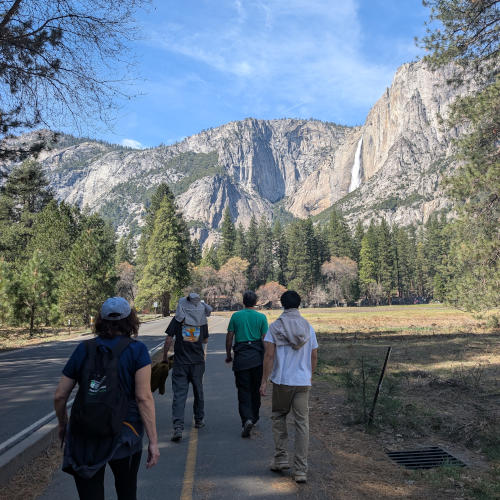
When we visited in March, snow still blanketed the high country, leaving several roads and trails closed. Summer completely transforms this landscape. By July, the snowpack has melted, and almost all park roads and trails are fully open, including the iconic Tioga Road and Glacier Point Road. (Please always check their website to plan your visit.)
While spring brings the most thunderous, roaring waterfalls fueled by immediate snowmelt, summer shifts the park into an explorer’s paradise. The high-altitude meadows are lush, wildflower blooms transition to higher elevations, and the entire park—from the valley floor to the high-country peaks—is accessible.
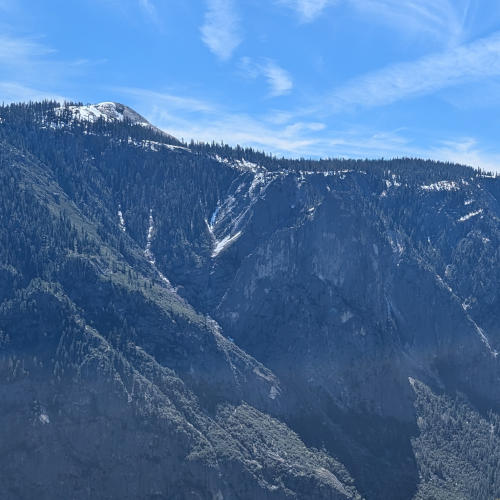
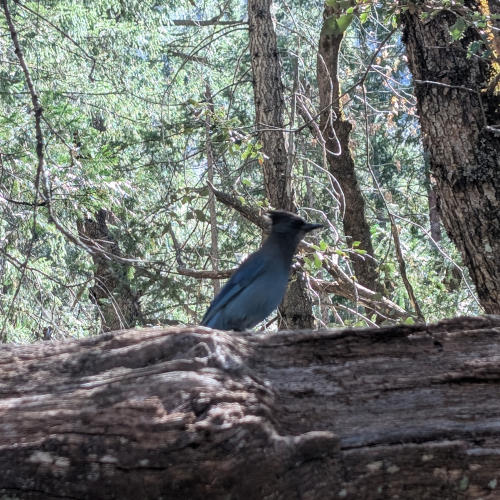
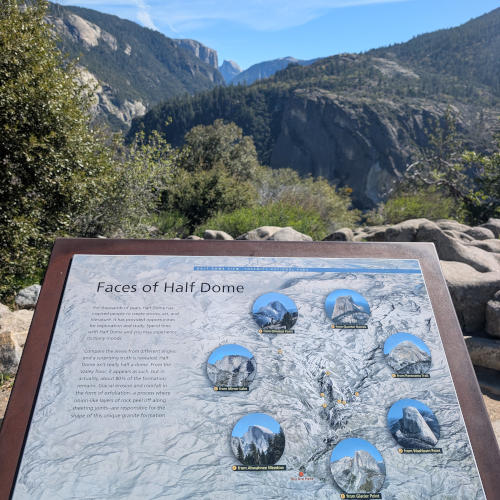
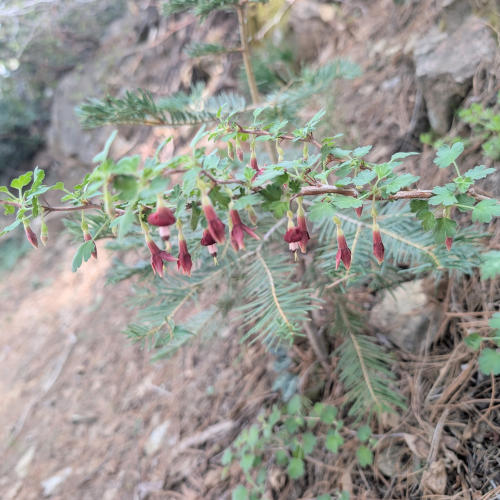
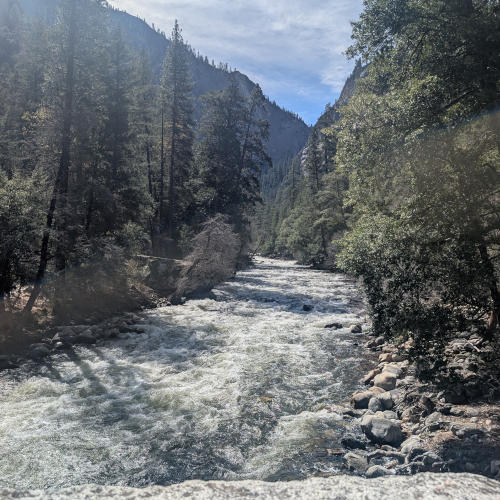
Our trip was defined by two distinct paces, both of which are spectacular to experience in the warm summer months.
The Gentle Pace: Grandparent & Family-Friendly Trails
We spent our first two days embracing a gentle, intentional pace, focusing on the accessibility of the valley floor:
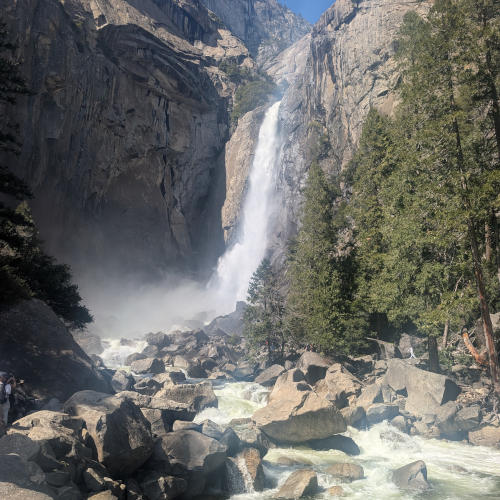
- Lower Yosemite Fall: An easy, paved loop that gets you up close to the base of the falls.
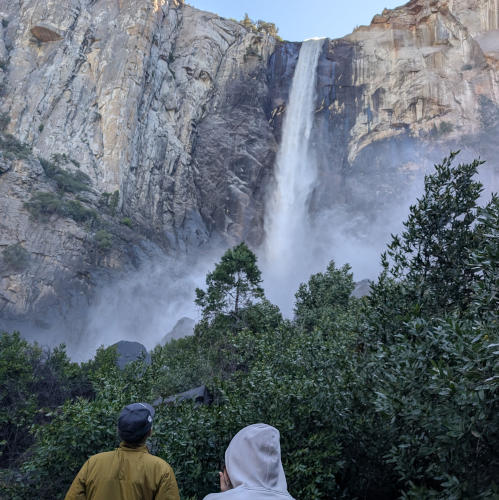
- Bridalveil Fall: A short walk with a big payoff, offering that iconic Yosemite “welcome.”
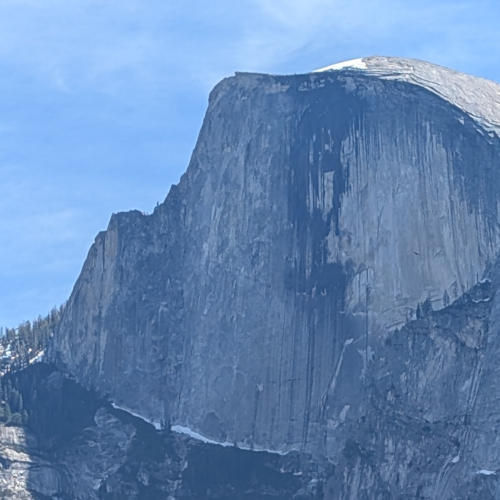
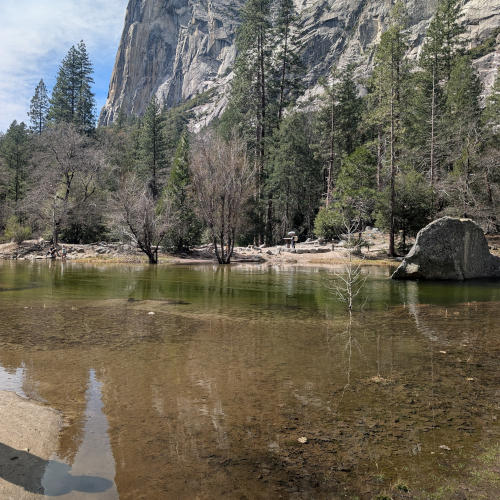
- Mirror Lake: A serene trail offering stunning, close-up reflections of Half Dome’s sheer face.
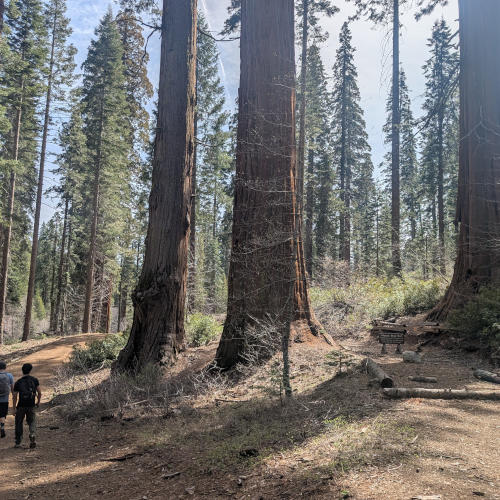
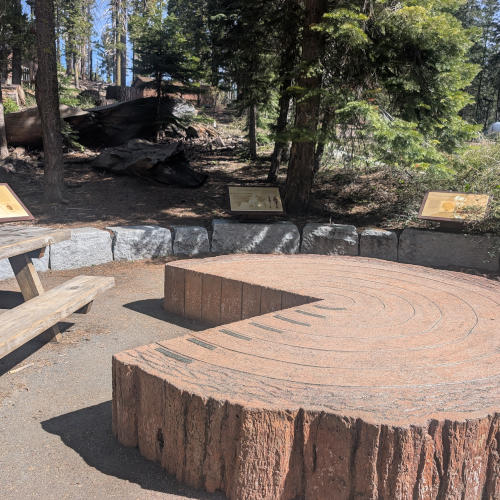
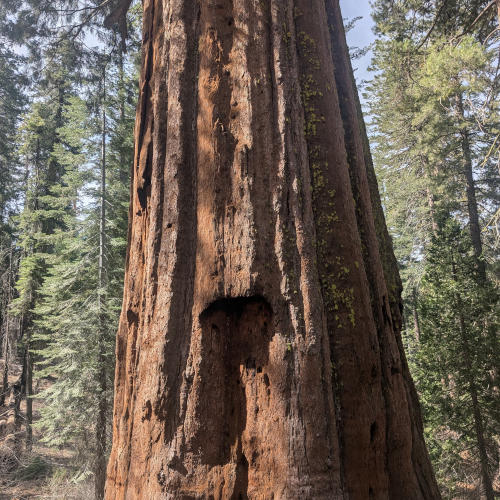
- Merced and Tuolumne Groves: Shaded, peaceful sanctuaries where we walked among ancient, giant sequoias. Note: Mariposa Grove was closed during our March hiking trip, but it is the most easily accessible grove during summer.
The Strenuous Challenge: The Summit Ascent
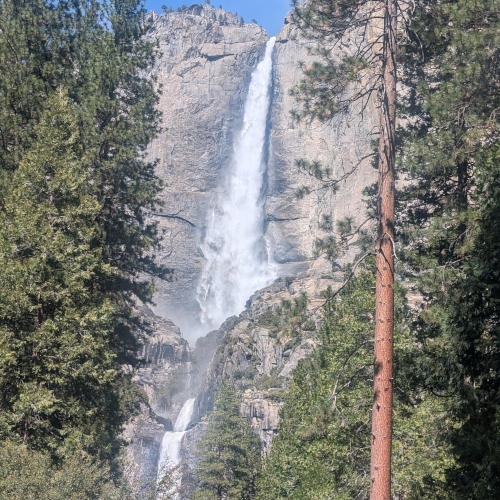
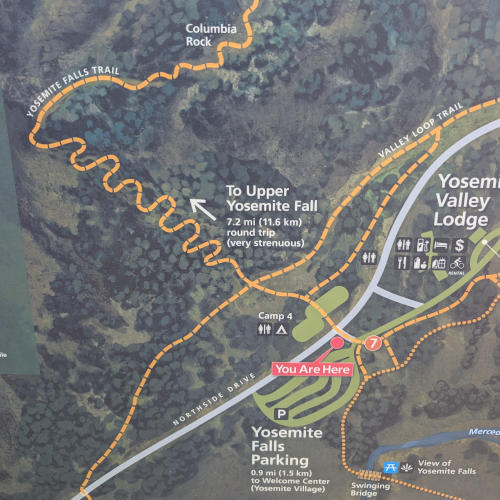
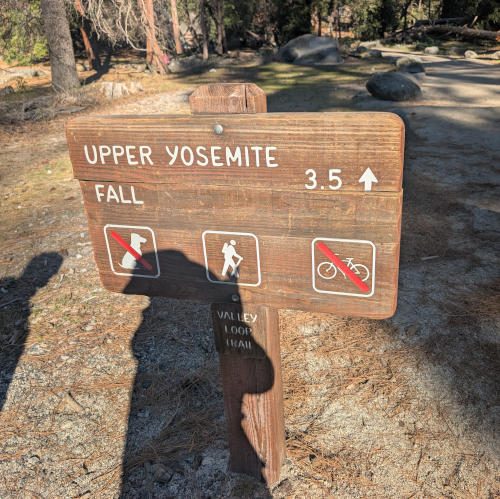
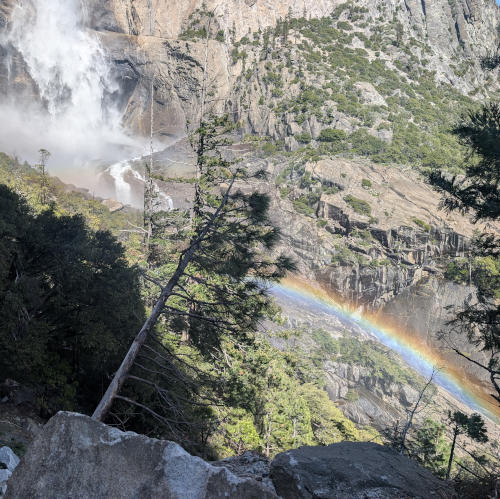
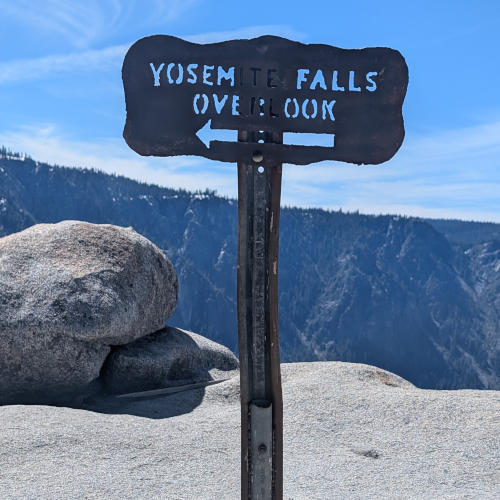
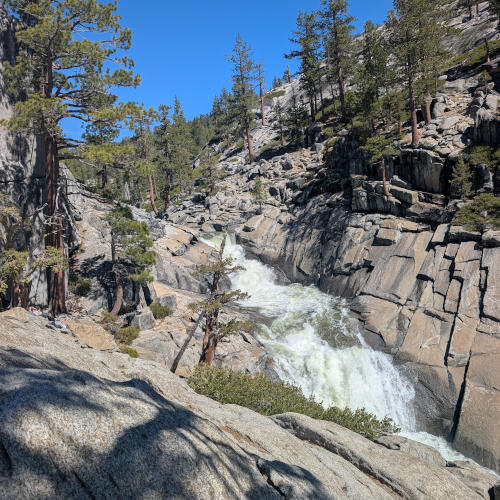
Once the grandparents were resting, we tackled a major milestone: our first-ever trek to the top of Upper Yosemite Fall. It was a grueling, six-hour round trip. If you choose to tackle this in the summer, be prepared for hot, dry granite switchbacks that will test your legs. However, standing at the very crest, looking down 2,400 feet into the valley, is a triumph you will never forget.
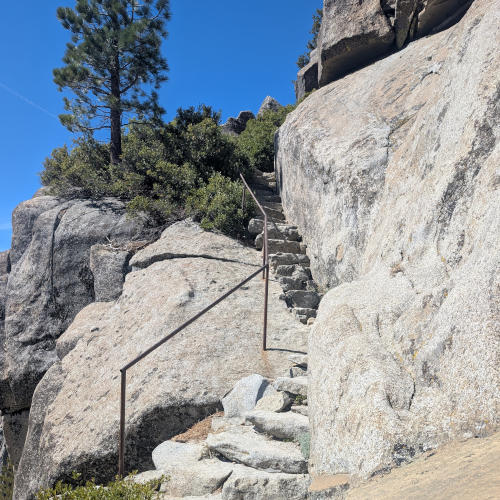
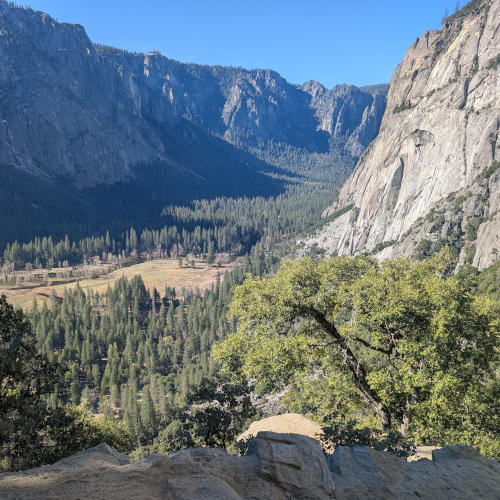
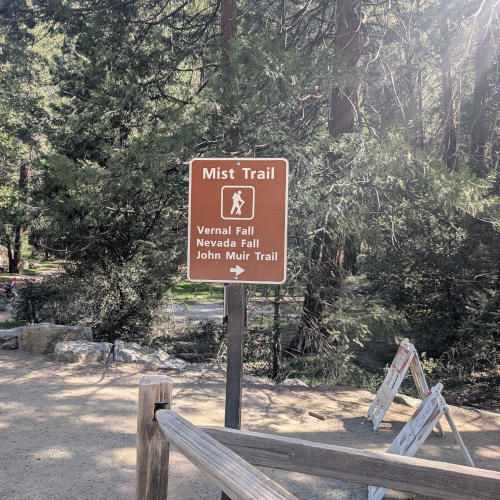
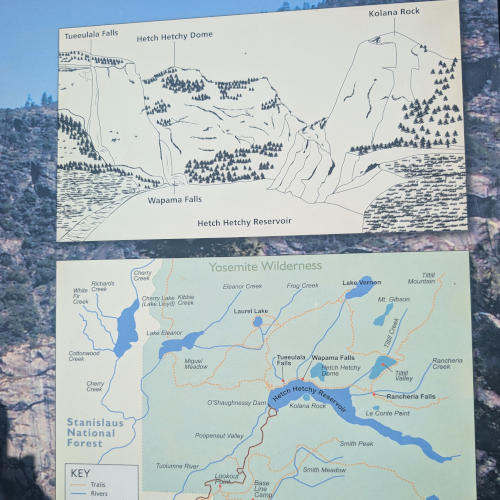
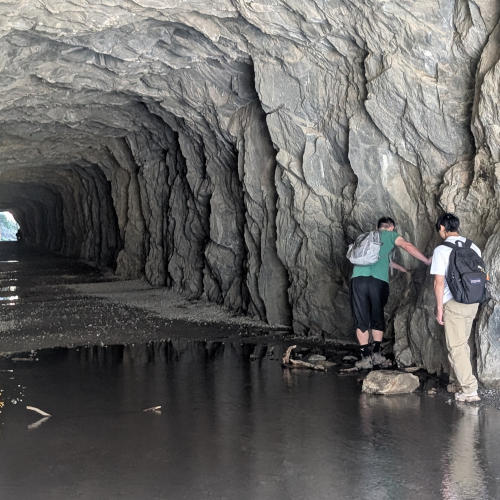
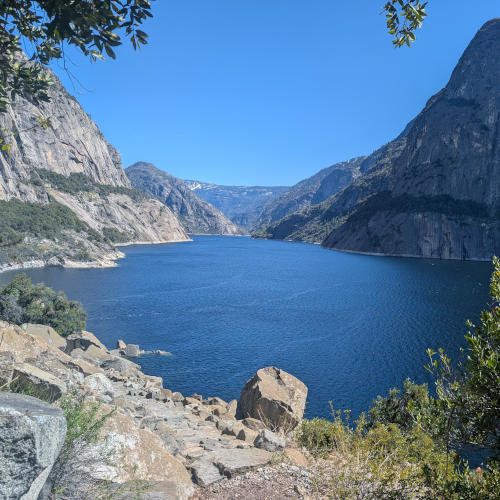
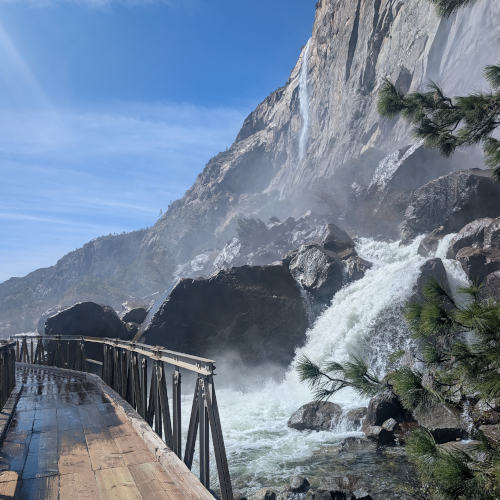
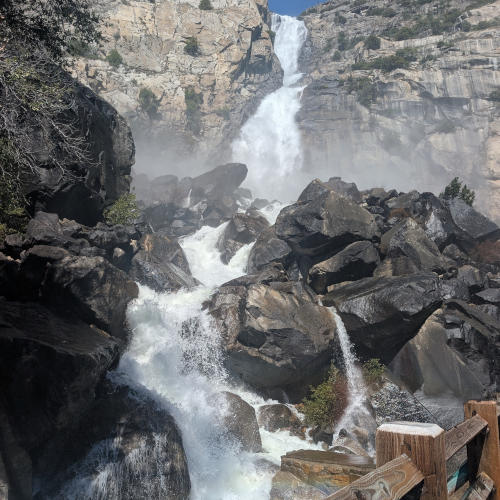
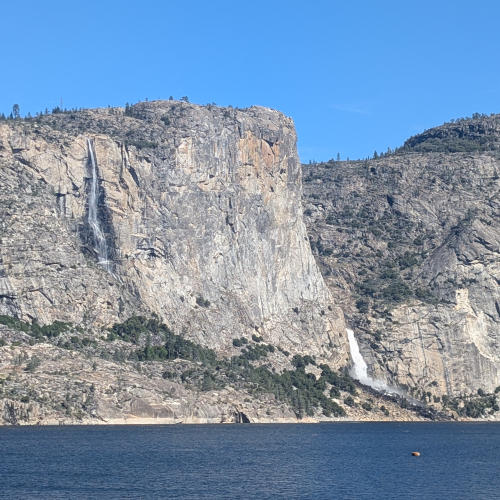
If you are looking for other classic summer challenges, the open roads now allow you to explore Vernal and Nevada Falls via the Mist Trail, or enjoy high-country day hikes like Wapama Falls in Hetch Hetchy.
Crucial Summer Travel & Preparation Tips
Because Yosemite is not requiring day-use vehicle reservations for the summer of 2026, the park is experiencing incredibly high volumes of visitors. To keep your trip stress-free, safe, and active, use these essential summer strategies:1. Master the Parking Game (Arrive Early!)
With no entry reservation system, the park’s parking lots are filling up incredibly fast.- The 7:30 AM Rule: On summer weekends and holidays, valley parking lots are often completely full by 7:30 AM. On weekdays, they often fill by mid-morning. Plan to arrive early in the morning or later in the afternoon to avoid gridlock.
- Park Once and Stay Parked: Do not drive from trailhead to trailhead. Find a legal spot in a day-use lot (like Curry Village or Yosemite Village) and leave your car there.
- Use the Free Shuttle or Bring a Bike: Once parked, navigate the valley floor using the park’s free, continuous shuttle system. Even better, bring your bicycles to enjoy the miles of flat, paved bike paths that wind through the valley floor—perfect for a Walk Bike Cupertino crowd!
- Heed the Parking Rules: In 2026, rangers are actively citing and towing cars parked illegally on meadows, road shoulders, or in unmarked spots.
- Real-Time Alerts: Text YNPTRAFFIC to 333111 to receive real-time parking and traffic updates directly from the park service.
2. Hydrate and Prep for the Heat
Unlike the cool spring, summer in the valley routinely sees temperatures in the 80s and 90s.- Carry at least 3–4 liters of water per person for strenuous hikes like Upper Yosemite Fall or the Mist Trail.
- Protect yourself from the intense high-elevation sun with hats, sunscreen, and lightweight layers.
- Pack plenty of food and snacks, but remember: never leave food or scented items in your car, as Yosemite’s black bears are highly active and clever. Use the trailhead bear lockers.
3. Consider Alternatives to the Valley
If the valley crowds feel overwhelming, take advantage of the summer road openings:- Head up Tioga Road to the cooler, quieter high country of Tuolumne Meadows.
- Explore Hetch Hetchy, Yosemite’s underrated “twin valley,” which remains relatively uncrowded even in peak summer.
- Consider riding the YARTS (Yosemite Area Regional Transportation System) bus into the park from a gateway community to bypass the parking search altogether.
At Walk Bike Cupertino, we strive to make our community more walkable and bikeable so that every day can have a small piece of that outdoor connection. Whether you are scaling a granite peak in Yosemite or taking an evening stroll at Blackberry Farm, keep moving, stay safe, and enjoy the summer trail!