The long-awaited next segment of the Stevens Creek Boulevard protected bike lanes are now under construction. This is another small segment of the bike lanes, of a mile in length stretching from Wolfe Road to De Anza Boulevard. It’s been five years since the first segment between Tantau Avenue and Wolfe Road was completed–an incredibly long time for a corridor that is the most dangerous for pedestrians and cyclists, per the City’s approved Vision Zero Plan, and the very top priority in the city’s 2016 Bicycle Transportation Plan.
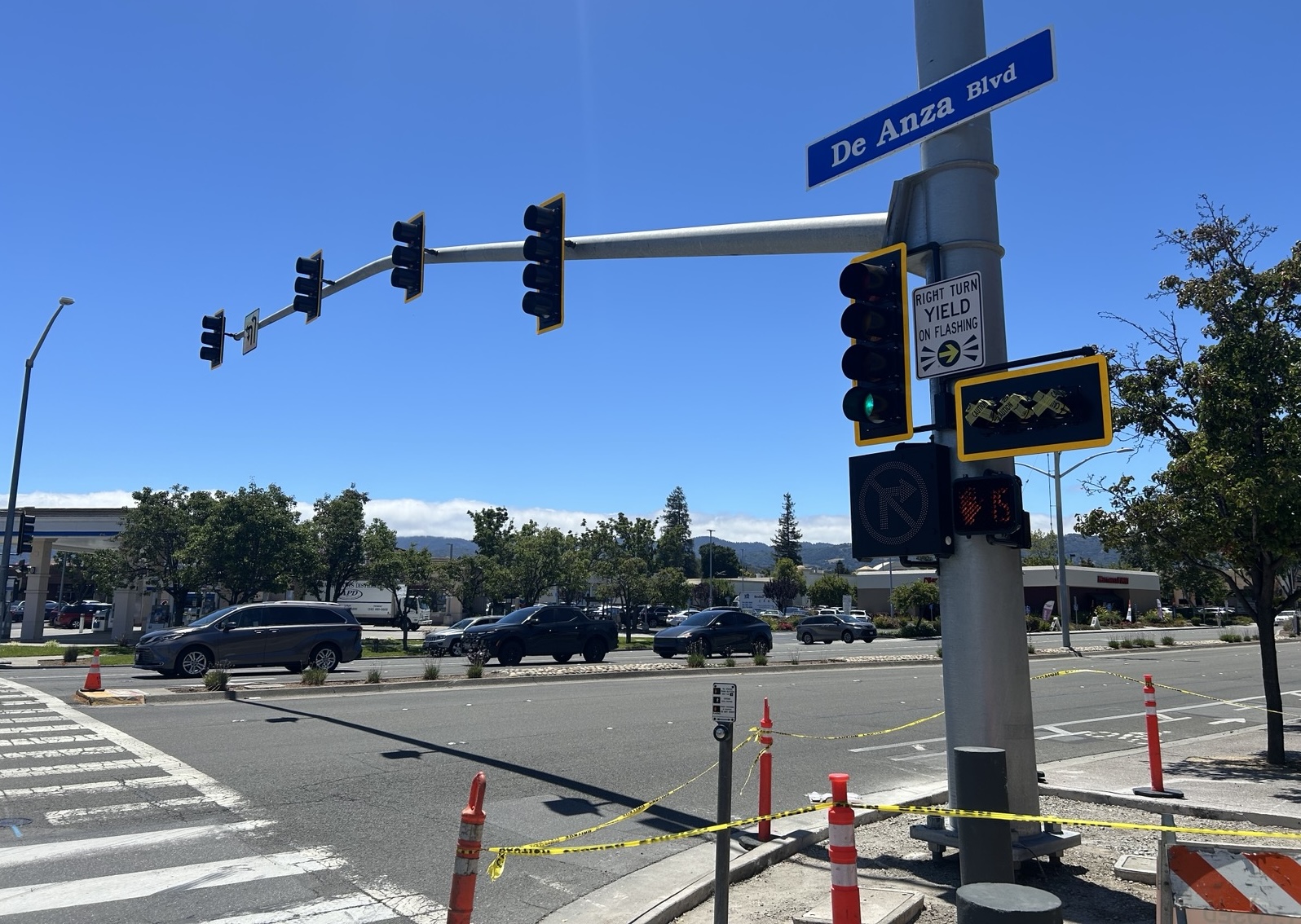
Getting to this point was a long process, including multiple close 3-2 votes with antibiking Councilmembers and Planning Commissioenrs trying to kill the entire project despite the very minimal cost to the city and the expected benefits to the residents. This pushed the approved lanes from an expected completion date of mid-2025, to late in 2025, and then to January of 2026. Further delays have occurred due to difficulty getting the required materials, and most recently, due to utilities issues with installing the new signaling at crosslights. The location of the signaling poles had to be moved, as the original location had unexpected unground utilities in the same spot. The lanes have long been planned to be used during Cupertino’s Bike Fest this fall as part of the longer ride meant for experienced cyclists, also known as the “Tour de Cupertino”. Using them for this event is now uncertain.
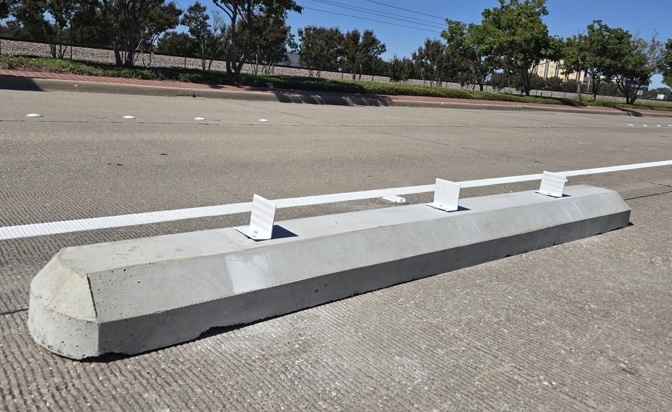
The new lanes will be bounded by concrete barriers, except at driveways or bus stops.
Bike lanes will not be new to Stevens Creek Boulevard, as there have been buffered bike lanes there for many years. The difference will be that cyclists will now be safer from the 40+ mph quick-moving heavy traffic on the street through the addition of concrete barriers which are mechanically fastened in the buffer area to prevent cars from drifting or turning suddenly into the bike lane. Protected bike lanes such as these have been shown in many studies, including this 13-year longitudinal study, to be safer for both cars and pedestrians where they are installed. Protected bike lanes also bring a range of other benefits, including economic growth.
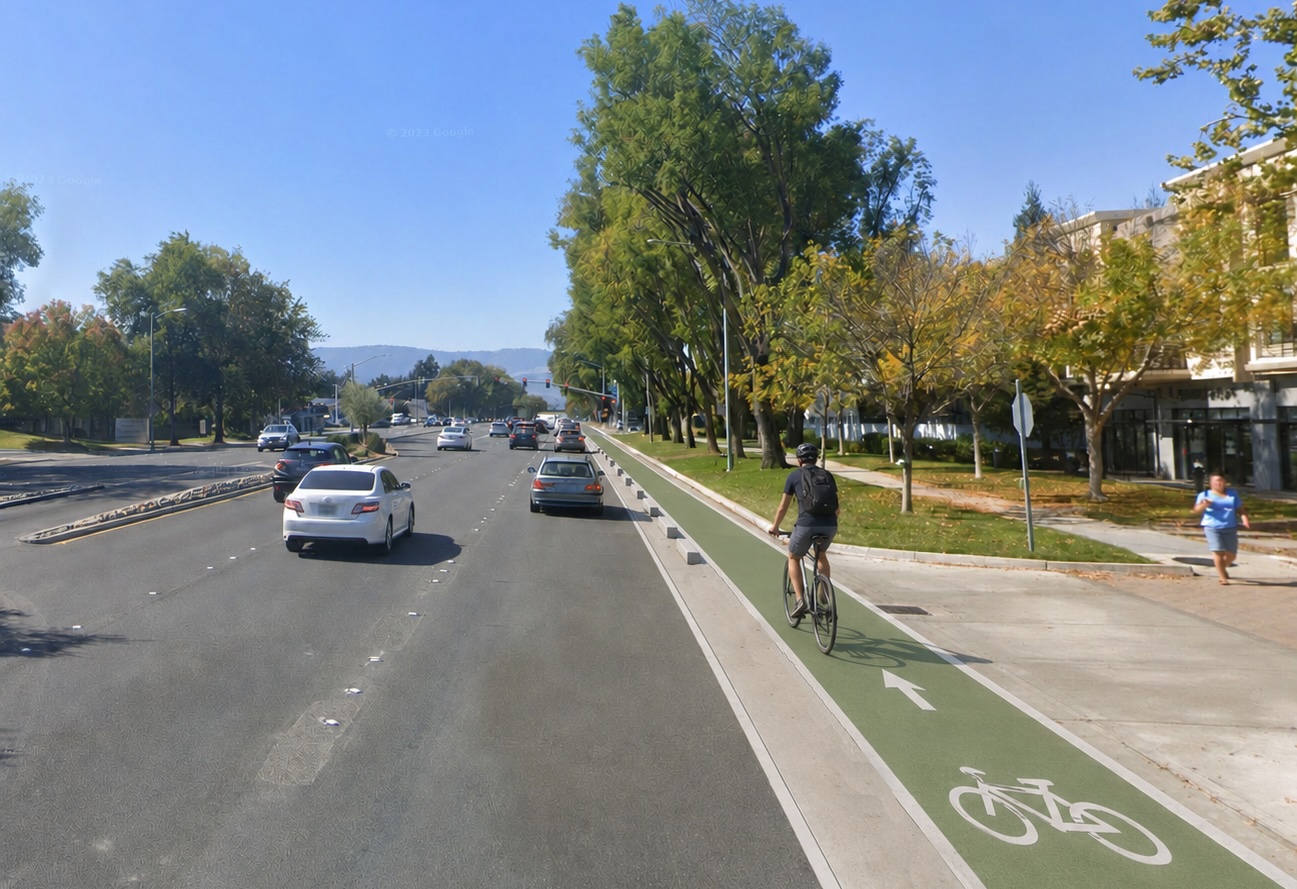
Here’s a mockup of how the new lanes may look.
Everyday, students ride to Cupertino High School along Stevens Creek from DeAnza to Finch Ave.
Students are just one group of residents who will benefit from these new lanes, but everyone–including seniors walking to shopping, cyclists picking up a coffee at Voyager or Philz, or employees outside to get lunch at Starbird–will also share in the safety increase.
One common myth is that these type of bike lanes slow emergency response time. This issue has been studied extensively, and it has been found that safer, slower streets result in fewer injuries and do not decrease response time. Some articles on this topic can be found here, but there are more to be found with a basic Google search.

If you’d like to learn a bit more about these lanes, please visit our project page, or see the City of Cupertino’s page for some of the latest monthly updates here. We are eagerly anticipating this change, and hope that our city leadership follows the facts and data which would lead them to investing quickly in continuing the lanes westward.
Love it! I’m looking forward to cruising down Stevens Creek Blvd in comfort on my shopping trips, once the concrete barriers are in place. I appreciate the city for their dedication to making Cupertino a nicer place to live.