As winter rain and chilly mornings give way to spring sunshine, many of us are eager to step back outside and reconnect with nature. Perhaps you’re looking for a peaceful hike to fill a few hours, or a family-friendly outing where kids can experience the outdoors at its finest. If so, consider a visit to Hidden Villa.
Conveniently located just a few miles from Cupertino, Hidden Villa is truly a local gem. Rooted in a history of social justice, the organization protects 1,600 acres of wilderness and watershed and uses this land as a living classroom to inspire environmental stewardship and nurture a sense of belonging.
Many options for great hikes
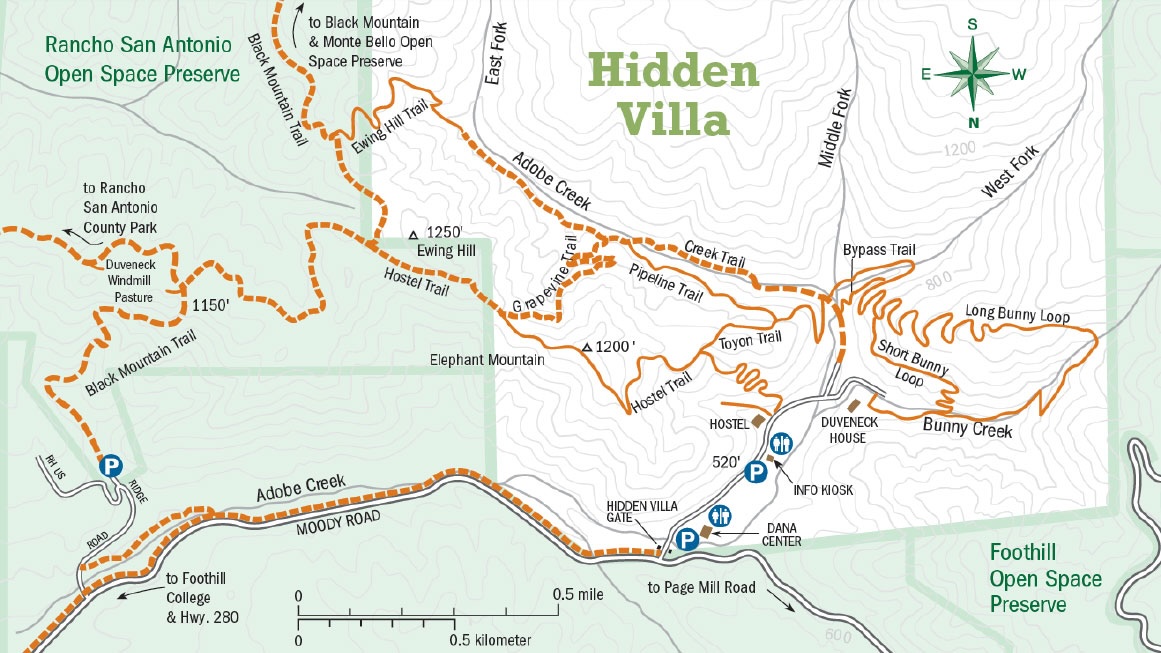
Hidden Villa (not to be confused with Rancho San Antonio Open Space Preserve and Deer Hollow Farm) offers miles of publicly accessible trails, along with an organic farm where families can observe pigs, goats, sheep, and chickens, and explore an educational garden.
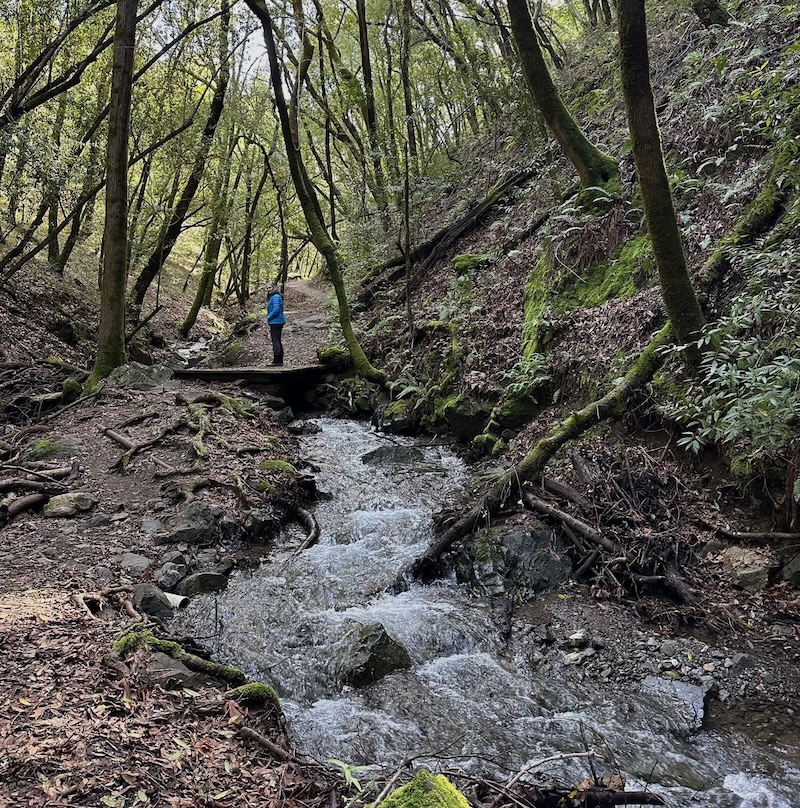
Trail options range from easy 1–2 mile out-and-back hikes that can be completed in under an hour to longer routes that connect to Rancho San Antonio Open Space Preserve. One favorite is a six-mile round-trip hike that begins at Hidden Villa, follows the meandering Adobe Creek, climbs toward Black Mountain, and turns around at the Mary Davey Memorial. With approximately 900 feet of steady, moderate elevation gain, the hike rewards visitors with sweeping views of Silicon Valley and the surrounding foothills. Most hikers complete it in 2.5 to 3 hours.
Useful information
When it’s open for hikes: Tuesdays through Sundays, September through May.
Support: Hidden Villa is a private non-profit, so appreciates your donations! Fees and donations are how it manages to keep running.
Parking: $10, which can be paid online or at the entrance kiosk.
Dogs: Dogs are not allowed on the trails.
Bikes: Bikes are not allowed on the trails.
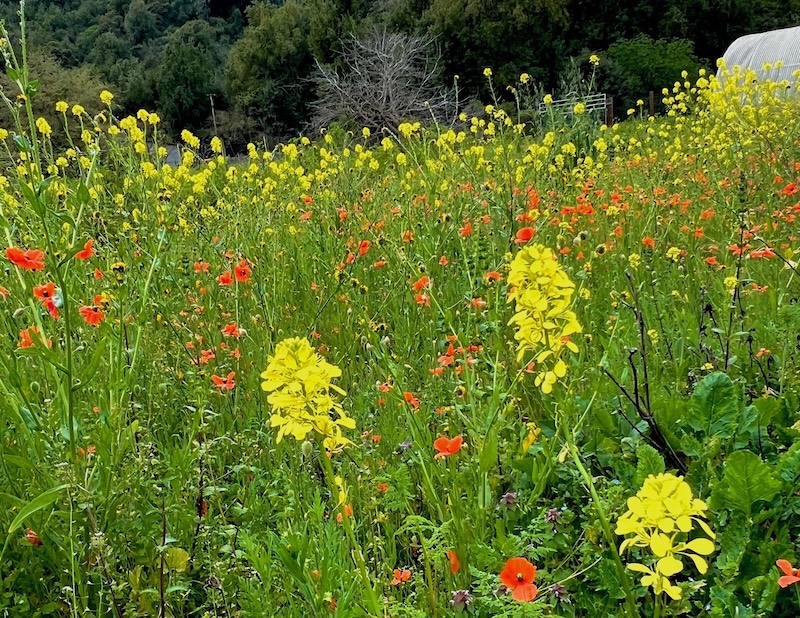
Nature’s abundance is on full display for those who pause to observe. You might spot bright yellow banana slugs, seasonal wildflowers, or delicate mushrooms. Listen for the bubbling creek, birdsong overhead, or even the gentle snores of pigs in the farmyard. Breathe in the earthy scent of moss-covered trees and fresh blossoms.
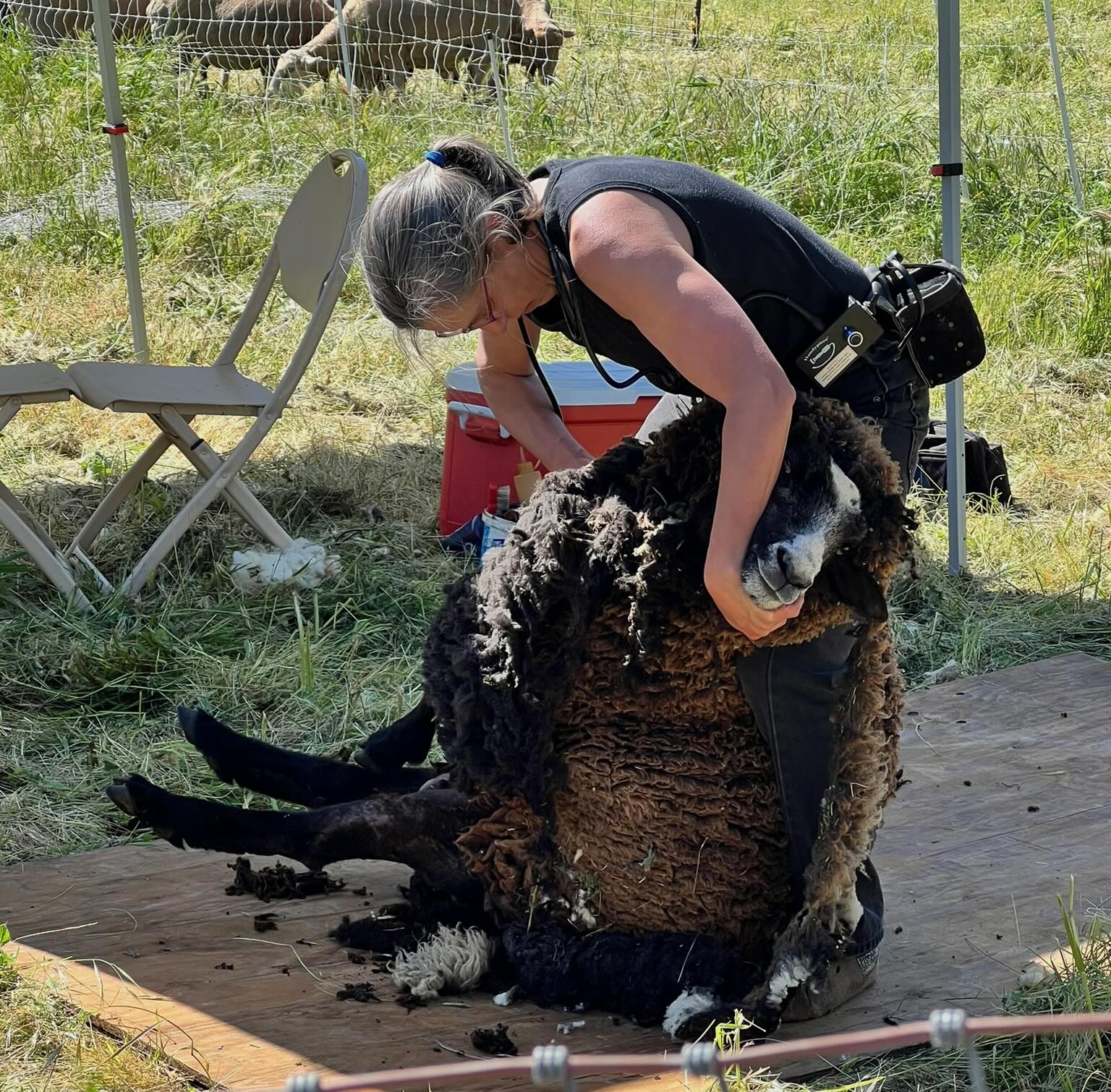
Come see the sheep!
One of Hidden Villa’s most beloved events is its annual Sheep Shearing and Fiber Arts Festival, being held this year on May 2nd. Adults and children alike can watch sheep-shearing and herding demonstrations, participate in hands-on activities tracing wool’s journey from fleece to fabric, explore the Fiber Artists and Makers gallery, and enjoy music and food in a beautiful outdoor setting. The event often sells out quickly but can be purchased here.
The History of Hidden Villa
Hidden Villa’s story began in the 1920s, when Frank and Josephine Duveneck settled on the land to raise their family. Over time, the Duvenecks opened their property to others, creating humanitarian and educational programs that have inspired generations. Notable milestones include:
- 1933: Welcomed refugees fleeing persecution in Europe
- 1933: The Loma Prieta chapter of the Sierra Club was founded on the property
- 1937: Opened the first hostel on the Pacific Coast (still operating today)
- 1942: Protested Executive Order 9066 and the incarceration of Japanese Americans
- 1944: Provided housing and resettlement support for Japanese Americans returning from internment camps
- 1945: Created the first multiracial residential summer camp in the United States
- 1960: Established Hidden Villa as a nonprofit trust
- 1965: Supported and hosted meetings for Cesar Chavez and Dolores Huerta during the organizing of the National Farm Workers Movement, later known as the United Farm Workers
Over the decades, the Duvenecks—along with hundreds of leaders and caretakers—transformed this 1,600-acre farm and wilderness into a living experiment in community, justice, and environmental stewardship.
Education programs
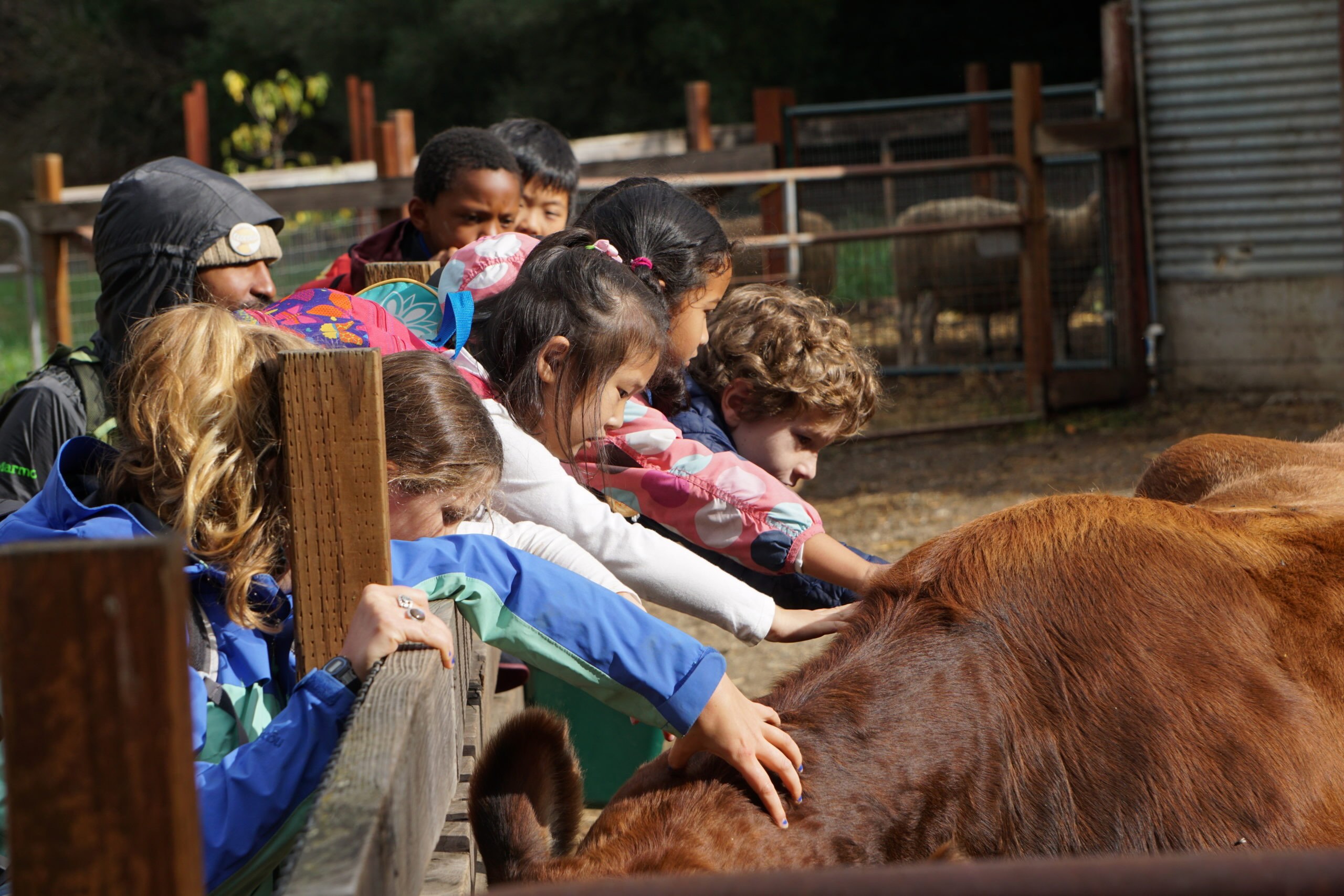
Each year, Hidden Villa welcomes thousands of students from local schools for environmental education programs that highlight the importance of caring for our natural resources. Many children have fond memories of hands-on field trips, learning how food grows from seed to harvest.
Hidden Villa also offers a range of summer camp programs, from day camps to residential experiences in June and July. These camps provide children with the opportunity to unplug from digital distractions, build confidence, and connect deeply with the natural world. Details of summer camp and other programs can be found on the Hidden Villa website at Hiddenvilla.org.
Visitors are welcome for self-guided hikes Tuesday through Sunday from September through May. As a private nonprofit, Hidden Villa’s programs and land stewardship are supported through fees and donations. A $10 parking fee helps offset operating costs and can be paid online or at the entrance kiosk.
Hidden Villa just might become one of your favorite local places to gather with nature. It certainly has become one of mine.