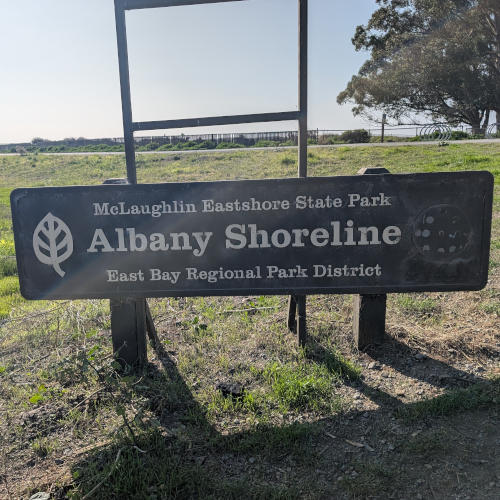
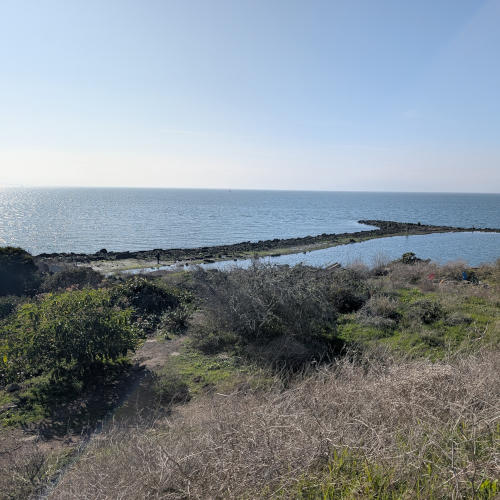
After we visited the Berkeley Waterfront Park this summer, we planned another day trip in the autumn to walk around Albany Shoreline Park, which is nestled along the edge of the San Francisco Bay. We were amazed by some of the most dramatic views in the East Bay. Reading the park info and looking closely at the ground beneath our feet, we realized this isn’t a typical manicured green space. Part of the larger McLaughlin Eastshore State Park and managed by the East Bay Regional Park District (EBRPD), this park is a fascinating blend of industrial history, grassroots activism, and rugged natural beauty.
A History Built on “The Dump”
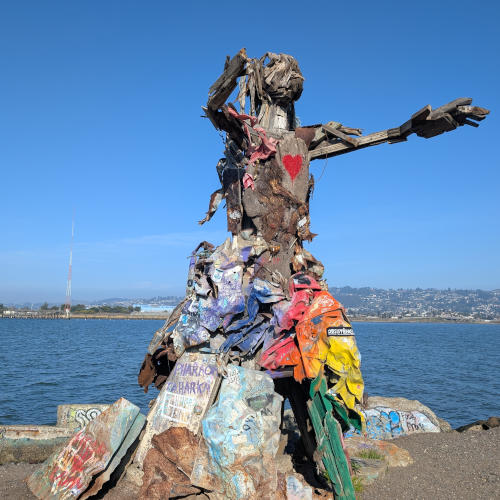
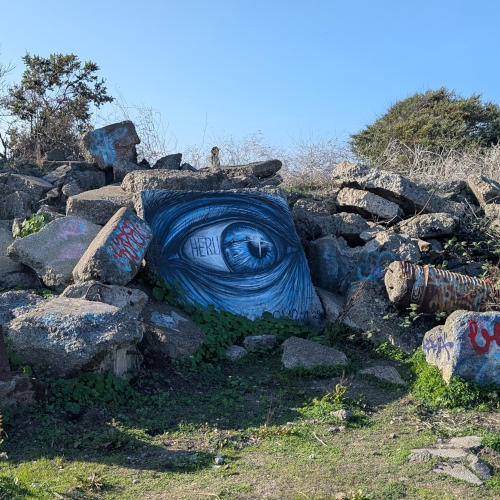
To understand Albany Shoreline, you have to understand its foundation—literally. For much of the 20th century, this area wasn’t a park; it was a municipal landfill, similar to Bedwell Bayfront Park, a sanitary landfill from 1950’s to 1980’s. Starting in the 1960s, the “Albany Bulb” (the prominent peninsula extending into the bay) was used as a disposal site for construction debris. Huge chunks of concrete, rebar, and asphalt were dumped here to expand the shoreline.
The Fight for the Shoreline
In the late 60s and 70s, developers had grand plans to turn this waterfront into high-rise apartments and shopping centers. However, a powerful grassroots movement led by local citizens and the organization Save The Bay fought to stop the infilling of the bay. Their victory turned a dumping ground into a protected public space.
What’s in a Name?
You might notice the park often goes by two names. Here is why:
- McLaughlin Eastshore State Park : The park is named after Sylvia McLaughlin, one of the three co-founders of Save The Bay. Her tireless work saved thousands of acres of shoreline from development.
- East Bay Regional Park District (EBRPD) : While it is a State Park, it is managed daily by the EBRPD through a unique joint powers agreement.
The naming honors the transition from a “private backyard for developers” to a “public front yard for the community.”
How it Was Built (Nature vs. Concrete)
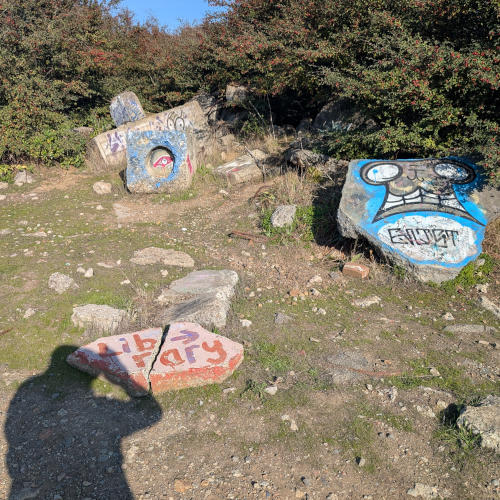
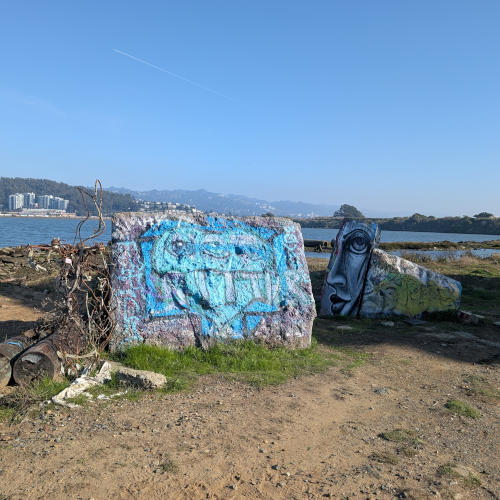
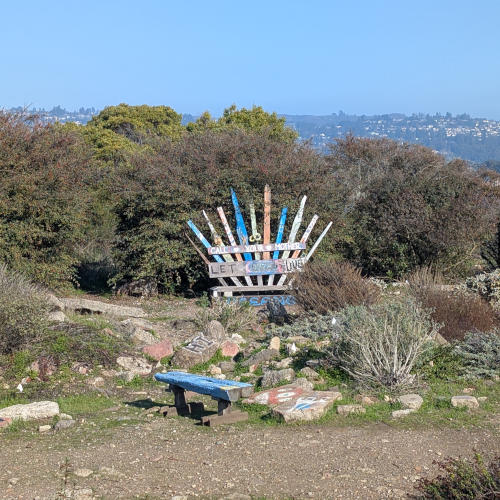
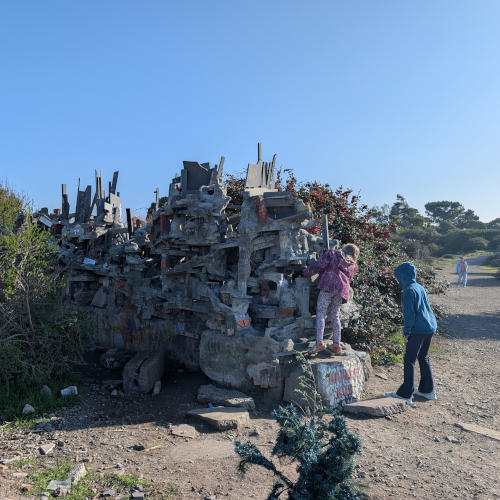
Unlike parks that are carefully landscaped with imported soil, Albany Shoreline is a “rubble park.” (The Foundation: The park sits on millions of tons of debris from demolished Bay Area buildings and roads.)
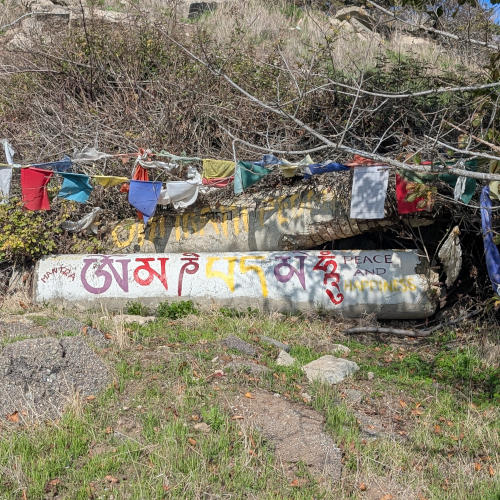
- The Transformation: Over decades, nature began to reclaim the concrete. Wild grasses, fennel, and hardy shrubs grew over the debris, creating a “wild” aesthetic that you won’t find at a typical city park.
- The Buffer: The park serves as a critical buffer zone, protecting the East Bay from rising sea levels and providing a habitat for migratory birds along the Pacific Flyway.
Fascinating Facts
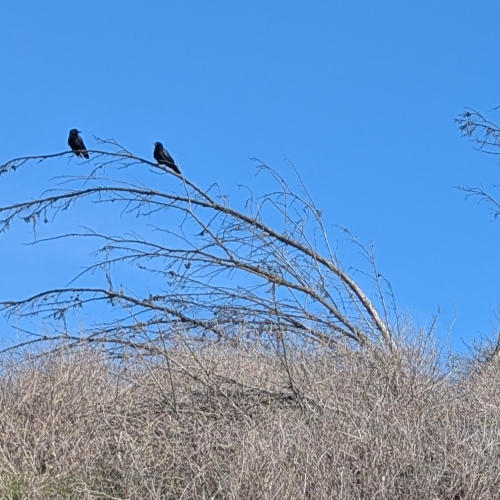
A Birdwatcher’s Paradise: Despite its industrial past, the nearby mudflats are a “globally important bird area,” hosting thousands of shorebirds every winter.
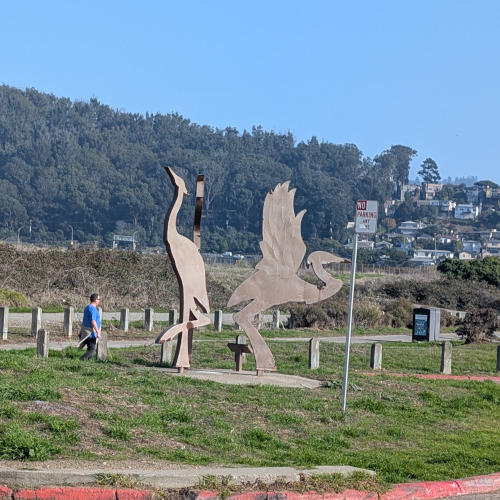
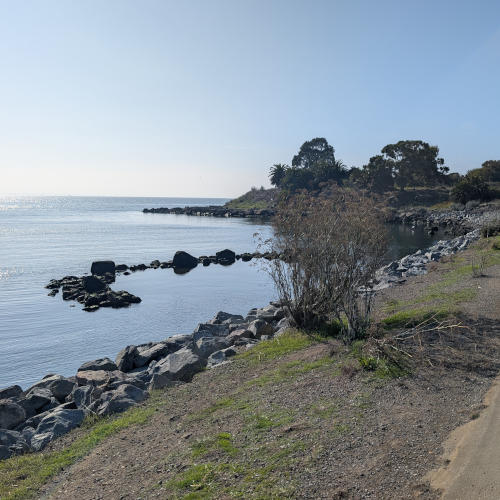
The “Secret” Beach: At low tide, small sandy coves appear among the concrete blocks, offering a quiet (if rugged) place to watch the waves.
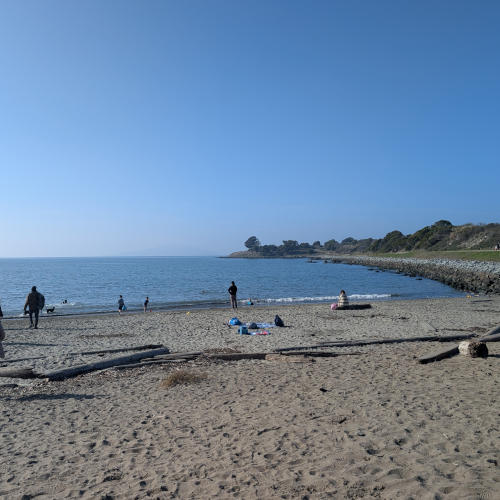
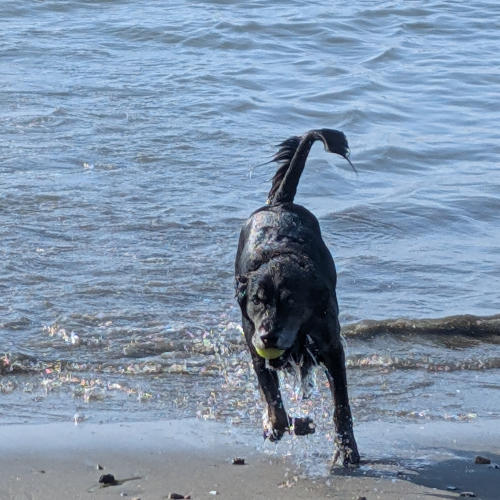
The Dog Haven: It is one of the most popular off-leash dog walking spots in the East Bay, known for its wide-open, “frontier” feel.
Planning Your Visit
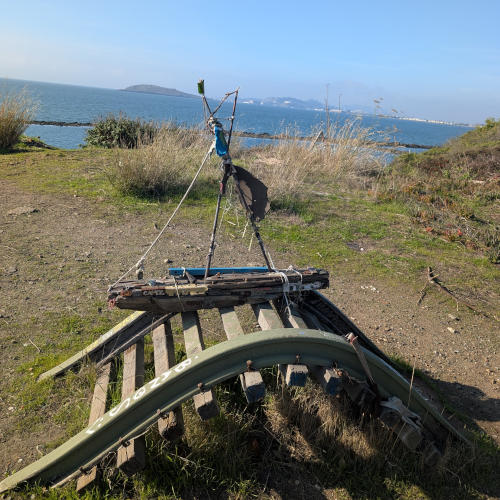
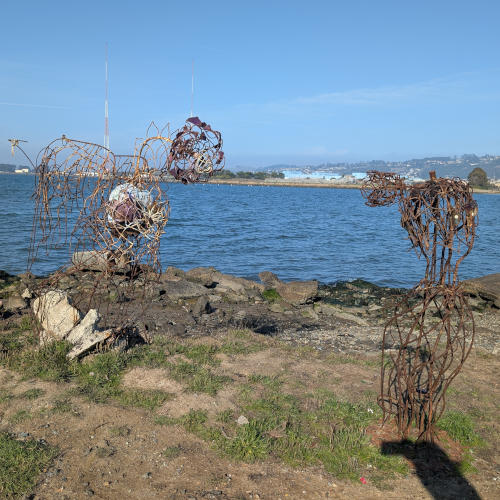
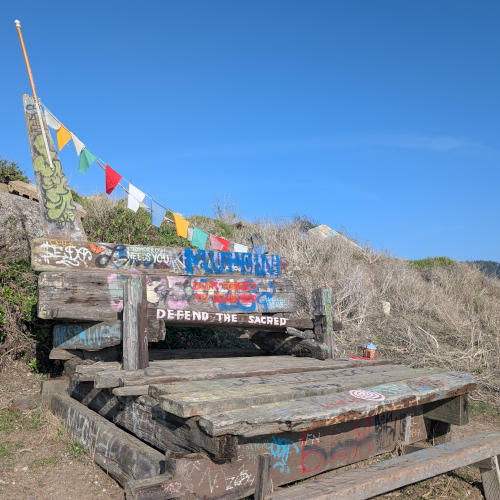
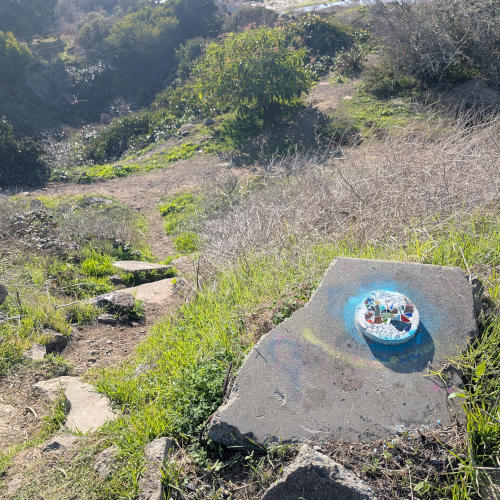
The park is a place of contrasts: jagged rusted metal meets soft sunset hues; heavy concrete meets the delicate flight of a Snowy Egret. It reminds us that even the most “ruined” places can be reborn into something beautiful. Pro Tip: Wear sturdy, closed-toe shoes! Because the park is built on construction debris, the trails can be uneven and rocky.
Please let us know if you enjoyed visiting this special park that was built from rubble to refuge. Add your comments or email us at: info@walkbikecupertino.org.